
Proper trailer loading isn’t just about fitting your cargo inside—it’s a critical safety practice that can mean the difference between a smooth journey and a dangerous accident. Whether you’re hauling equipment in a cargo trailer, moving materials with a dump trailer, or transporting tools in a utility trailer, understanding weight distribution and cargo securing techniques is essential for safe towing.
Why Proper Trailer Loading Matters

Improper trailer loading causes thousands of accidents each year. When weight isn’t distributed correctly, trailers can sway, fishtail, or even detach from the towing vehicle. Beyond safety concerns, poor loading practices can damage your cargo, wear out your trailer components prematurely, and lead to costly repairs or legal liability.
Understanding the physics behind trailer stability will help you make smarter loading decisions every time you hitch up.
Understanding Tongue Weight and Weight Distribution
The 60/40 Rule

The golden rule of trailer loading is the 60/40 weight distribution principle. Approximately 60% of your cargo weight should be positioned in the front half of the trailer (closer to the towing vehicle), while 40% should be in the rear half. This forward bias creates proper tongue weight—the downward force the trailer exerts on the hitch ball.
Tongue weight should typically be 10-15% of the total trailer weight. Too little tongue weight causes trailer sway and instability at highway speeds. Too much tongue weight can overload your vehicle’s rear axle, affect steering control, and reduce traction on the front wheels.
Finding the Balance Point
When loading any type of trailer, start by placing your heaviest items directly over or slightly forward of the trailer’s axle. This positioning provides the foundation for proper weight distribution. From there, arrange lighter items toward the front and rear, maintaining that 60/40 split.
For multi-axle trailers, the concept remains the same, but your target area expands. Position heavy cargo between the front axle and the middle of the trailer length for optimal stability.
Cargo Trailer Loading Strategies
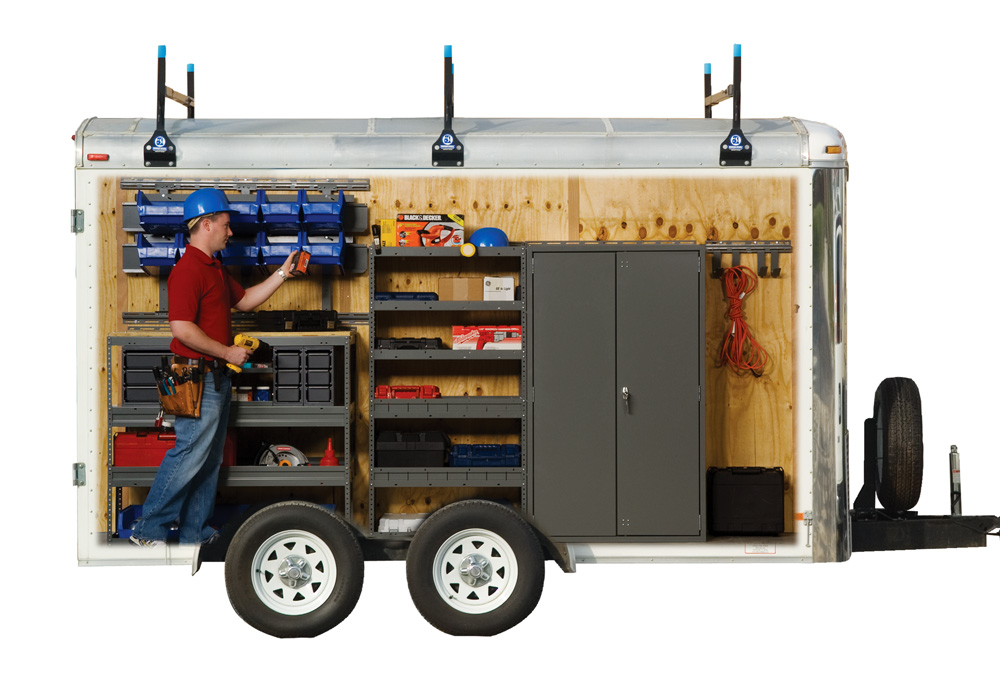
Cargo trailers present unique loading challenges because their enclosed design can make it tempting to stack items high or push cargo to the back. However, these practices create instability and danger.
Vertical Weight Distribution
Keep heavy items low in the trailer. Raising the center of gravity increases the likelihood of rollover during turns or sudden maneuvers. If you must stack items, place lighter boxes or equipment on top of heavier base layers, and ensure everything is secured to prevent shifting.
Side-to-Side Balance
Weight should also be evenly distributed from left to right. Uneven side loading causes the trailer to lean, wearing tires unevenly and creating handling problems. When loading large, single items, center them in the trailer width. For multiple items, balance heavy pieces on opposite sides.
Door Accessibility
While safety is paramount, practical access matters too. In enclosed cargo trailers, consider which items you’ll need first at your destination. Loading chronologically—last in, first out—saves time and prevents the need to unload and reload cargo.
Dump Trailer Loading Techniques
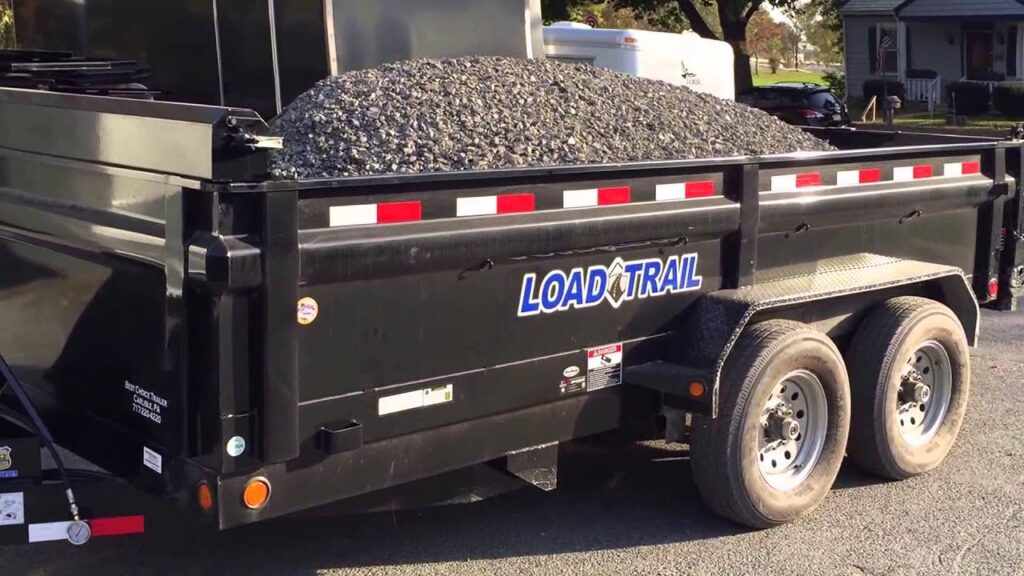
Dump trailers are designed for bulk materials like gravel, soil, mulch, and construction debris. The dump mechanism adds complexity to weight distribution considerations.
Load Distribution for Dump Trailers
Never load a dump trailer with all weight at the back, even though the tailgate might make rear loading convenient. This creates dangerous tongue-light conditions. Instead, distribute material evenly throughout the bed, or slightly favor the front.
When hauling extremely heavy materials like wet soil or stone, avoid filling the dump trailer to maximum capacity unless you’re certain your towing vehicle can handle the weight. It’s better to make two trips than to exceed your vehicle’s towing capacity or create an unsafe load.
Dumping Safety Considerations
Before dumping, ensure the trailer is on level ground and the towing vehicle is in park with the parking brake engaged. The physics of dumping shift the weight dramatically—loads positioned too far back can cause the entire trailer to tip backward during the dump cycle, potentially lifting your towing vehicle’s rear wheels off the ground.
Utility Trailer Loading Best Practices
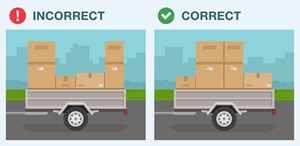
Utility trailers are versatile workhorses used for everything from landscaping equipment to furniture moving. Their open design provides excellent visibility but requires careful cargo securing.
Equipment Positioning
When hauling lawn equipment, ATVs, or motorcycles on a utility trailer, position the equipment so its weight sits near or over the axle. Drive-on equipment should be driven onto the trailer in a forward direction and secured facing forward to prevent backward rolling.
For non-motorized loads like furniture or building materials, create a stable base layer of heavy items, then stack progressively lighter items on top. Keep the load profile low to minimize wind resistance and maintain stability.
Securing Multiple Small Items
Utility trailers often carry numerous smaller items—tools, equipment, supplies. Use the front wall or rail as an anchor point for securing cargo, preventing items from shifting toward the rear during acceleration. Group similar items together and secure them as units rather than individually when possible.
Essential Cargo Securing Techniques
Weight distribution means nothing if your cargo shifts during transport. Proper securing techniques keep loads exactly where you placed them.
Strap Selection and Placement
Ratchet straps are the gold standard for cargo securing. Choose straps rated for more weight than your cargo—a good rule is double the cargo weight for a safety margin. Place straps at angles whenever possible, creating an X-pattern over the load to prevent both forward-backward and side-to-side movement.
For cargo trailers, use D-rings or E-track systems installed on the walls and floor to create solid anchor points. Never attach straps to trailer lights, wiring, or other non-structural components.
Chains vs. Straps
For extremely heavy loads or equipment with hard edges that might cut through straps, use chains with load binders. Chains are mandatory for hauling vehicles and recommended for machinery. However, chains don’t provide the same tension adjustment as ratchet straps, so they’re often used in combination—chains for primary securing, straps for additional stability.
Blocking and Bracing
Physical barriers prevent cargo movement better than straps alone. Use wheel chocks for vehicles, create wooden frames around palletized loads, and position cargo against the front wall of enclosed trailers when possible. Blocking prevents initial movement, while straps maintain security after small shifts occur.
The Importance of Redundancy
Never rely on a single securing method. If a ratchet strap fails, a backup strap prevents disaster. Professional haulers use the “belt and suspenders” approach—multiple securing points, different securing methods, and regular checks during long trips.
Pre-Trip Inspection Checklist
Before hitting the road with any loaded trailer, complete these essential checks:
- Verify total weight doesn’t exceed your trailer’s GVWR (Gross Vehicle Weight Rating) or your vehicle’s towing capacity
- Measure tongue weight using a tongue weight scale—it should be 10-15% of total trailer weight
- Check tire pressure on both the trailer and towing vehicle, increasing pressure if at maximum load
- Test trailer lights including brake lights, turn signals, and running lights
- Inspect all cargo securing points, ensuring straps are tight and chains are properly tensioned
- Examine the hitch connection, verifying the coupler is locked and safety chains are properly crossed
- Test trailer brakes if equipped, and ensure the breakaway cable is connected
During-Trip Maintenance
Loading properly is only half the equation. During your trip, plan to stop every 50-100 miles for the first few hours to inspect your load. Cargo settling, vibration, and road conditions can loosen straps or shift materials. Retighten all securing points and verify nothing has moved.
Pay attention to how your vehicle handles. Excessive trailer sway, difficulty maintaining lane position, or unusual bouncing can indicate weight distribution problems. If you experience these issues, find a safe place to stop and reassess your load.
Special Considerations for Different Cargo Types
Lumber and Building Materials
Long materials like lumber or pipe should extend beyond the trailer as little as possible. When overhang is unavoidable, use a red flag or cloth for visibility, and check local laws regarding overhang limits. Secure long materials at multiple points along their length, not just at the ends.
Liquids and Loose Materials
Liquids in tanks or loose materials like mulch continue moving after your vehicle stops, creating momentum that affects handling. Never fill liquid containers more than 80% full to allow for expansion and movement. For loose materials in dump trailers, consider using a tarp not just for containing debris but also for reducing air resistance.
Valuable or Fragile Items
For valuable or fragile cargo in cargo trailers, use moving blankets, foam padding, or custom crating. Secure these items to prevent shifting, but avoid over-tightening straps that could damage delicate equipment. Consider the trailer’s interior as cargo moves around curves—nothing should be able to slide into walls or other items.
Weather and Environmental Factors
Wind affects trailer stability dramatically. Crosswinds push against your trailer’s side profile, while headwinds and tailwinds affect stopping distance. When hauling tall loads or using high-sided cargo trailers, reduce speed in windy conditions and maintain extra following distance.
Rain reduces traction and increases stopping distances. Wet roads also amplify the effects of improper weight distribution, making trailer sway more pronounced. Check that your cargo won’t be damaged by water, and secure tarps to prevent them from becoming wind-catching parachutes.
Legal Requirements and Best Practices
Federal and state regulations govern trailer loading, weight limits, and safety requirements. Know your local laws regarding:
- Maximum trailer width and height without special permits
- Required safety equipment (breakaway brakes, safety chains, lighting)
- Weight station requirements for commercial loads
- Overhang limits and marking requirements
Many states require trailers over certain weights to stop at weigh stations. Even if your load doesn’t require a stop, understanding weight restrictions helps you load safely and legally.
Conclusion: Safety First, Every Time
Proper trailer loading combines physics, common sense, and attention to detail. Whether you’re using a versatile utility trailer for weekend projects, a cargo trailer for business deliveries, or a dump trailer for construction materials, the principles remain constant: maintain proper weight distribution, secure everything multiple times, and check your load regularly.
The few extra minutes spent loading correctly and inspecting your trailer can prevent accidents, protect your cargo, and give you peace of mind on the road. When you invest in a quality trailer, protect that investment by learning and practicing proper loading techniques every single time you haul.
Safe travels, and remember—if something doesn’t feel right about how your trailer is handling, trust your instincts and stop to investigate. No delivery deadline or schedule is worth compromising safety.